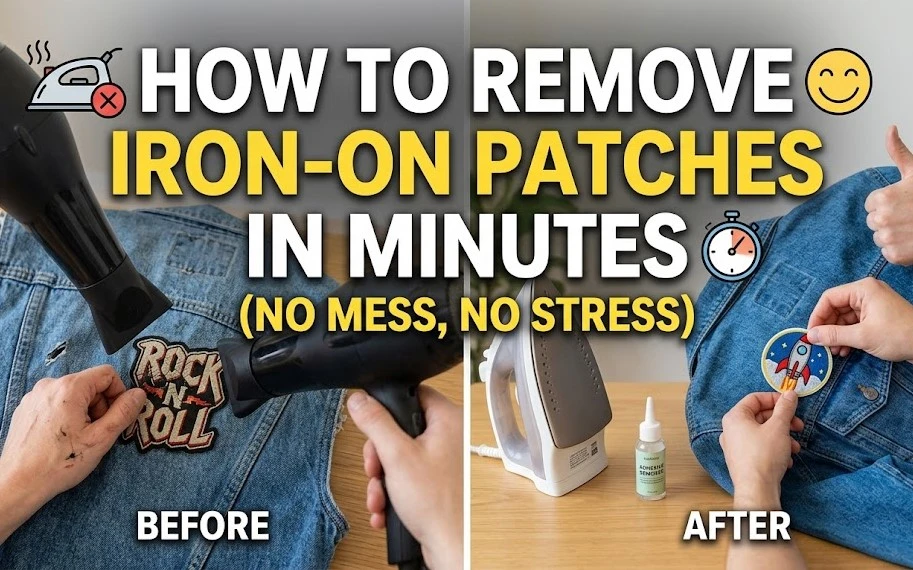
How to Remove Iron-On Patches at Home (Without Ruining Your Clothes)
Iron-on patches are one of those small joys. A quick way to make something yours, whether it is a favorite jacket, a school bag, or a pair of jeans. But life changes, tastes change, and sometimes a patch just needs to go.
Maybe you put it on slightly crooked. Maybe you have outgrown the design. Maybe you are refreshing something old into something new. Whatever the reason, the good news is this: removing iron-on patches is completely doable at home, and when done right, your fabric comes out looking like the patch was never there.
Here is everything you need to know.
What You will Need Before You Start
Nothing fancy. You almost certainly have all of this at home already:
- A clothes iron or heat press
- A thin piece of cotton fabric (like an old t-shirt or tea towel)
- A pair of tweezers or a flat butter knife
- Rubbing alcohol (optional but helpful for stubborn glue)
- A clean cloth or tissue for wiping
That is genuinely it. No special equipment, no trips to the shop.
Step 1: Heat the Patch to Soften the Glue
Iron-on patches stick using heat-activated glue. So heat is the key to removing them.
Here is what to do:
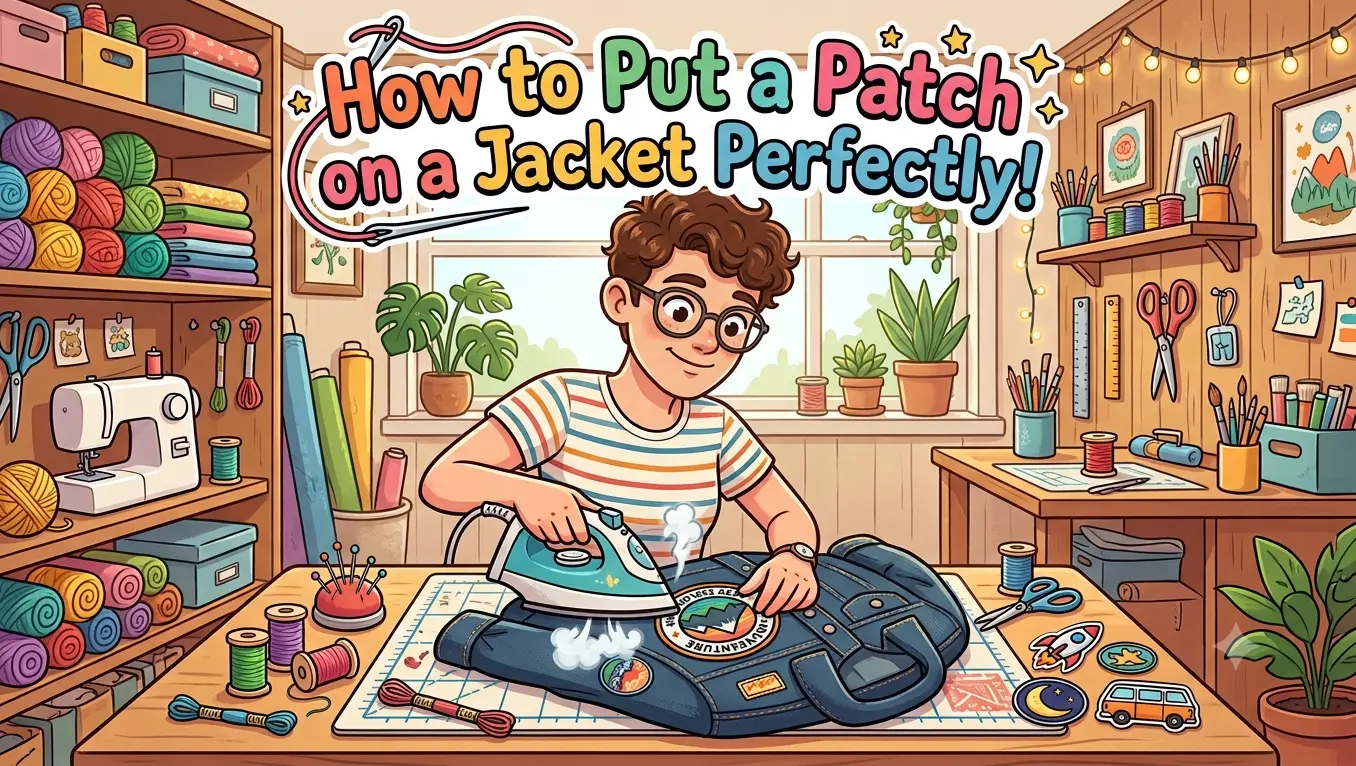
- Place a thin cotton cloth over the patch
- Set your iron to a medium heat
- Press it firmly on the patch for 20–30 seconds
This softens the glue underneath and makes removal much easier.
If you are removing a Patch on a Backpack, be extra careful. Backpacks often have plastic or synthetic layers, and too much heat can damage them.
People working with custom iron-on patches from brands like StitchKrafts USA often use this same method in cities like New York, Los Angeles, and Chicago when updating or replacing designs.
Step 2: Slowly Peel the Patch
Once the glue is soft, start lifting one corner of the patch.
Use tweezers or a flat tool if needed.
Now gently pull it back.
Go slowly.
If it feels stuck, stop and reapply heat.
Never force it; pulling hard can damage the fabric underneath.
This step is very important if you are working on denim jackets, school uniforms, or bags in cities like Houston, Miami, and San Diego, where custom fashion items are very common.
Even professional patch makers in the UK always recommend slow peeling for clean removal.
Step 3: Remove Sticky Glue Left Behind
After removing the patch, you may see glue marks. This is normal.
Take a cloth and apply a small amount of rubbing alcohol.
Gently rub the sticky area until it clears.
If you do not have rubbing alcohol, warm soapy water also works for light glue.
This step helps prepare your fabric again for new custom iron-on patches or fresh designs.
Step 4: Clean and Dry the Fabric
Once the glue is gone:
- Wash the area with mild soap
- Rinse with clean water
- Let it air dry naturally
Now your jacket, backpack, or shirt is clean and ready for a new design.
Many people in cities like New York and Los Angeles do this before adding fresh patches for fashion, branding, or personal style updates.
A Few Extra Tips Worth Knowing
If you are working on denim or thick cotton, you have more freedom. These fabrics handle heat well, and patches usually come off cleanly.
If you are working on lighter fabrics, such as thin shirts or lightweight jackets, always use the protective cloth and keep the iron at the lower end of medium heat. Light fabrics can scorch faster than expected.
If a patch does not come off easily after a few tries, do not worry. Some older or strongly bonded patches, especially those used in busy fashion cities like Houston, Miami, or San Diego, just need more patience. They will come off with repeated gentle heating.
Why Taking Your Time Actually Matters
It is tempting to just pull and finish quickly, but slow removal protects your fabric.
It helps you avoid:
- Stretched threads
- Small holes
- Burn marks
- Permanent fabric damage
Doing it carefully means your clothing stays in great shape and ready for reuse.
Frequently Asked Questions
Will this damage my clothes?
Not if you follow the steps. Damage usually happens when people rush the peeling process or use too much heat.
How long does it take to remove a patch?
Most patches take around 5 to 10 minutes. Older or stronger ones may take a bit longer, but it is still a quick process.
Can I reuse the patch after removing it?
Usually no. Once the adhesive is reheated and removed, it loses its stickiness. You will need a new patch or fresh backing.
What if I do not have rubbing alcohol?
Warm, soapy water works for light glue. For a stronger residue, a small amount of cooking oil can help loosen it before washing.
Is this safe for backpacks?
Yes. Just use lower heat and go slowly. Most backpacks used in cities like New York or London respond well, but synthetic layers can be sensitive to heat.
Short Summary
Removing an iron-on patch is simple if you follow the right steps. First, apply gentle heat to soften the glue. Then slowly peel the patch off without forcing it. Clean leftover glue using rubbing alcohol or mild soap and water. Finally, wash and dry the fabric.
This method works safely on jackets, jeans, shirts, school bags, and backpacks. The most important thing is patience, slow removal keeps your fabric safe and ready for a new design.
Final Note
With just a bit of heat, patience, and care, you can remove iron-on patches at home without damaging your clothes. Whether you are refreshing a jacket in New York, updating a backpack in Los Angeles, or changing designs in cities like Chicago, Houston, or Miami, this simple method keeps your fabric clean and reusable every time.