

Types of Custom Patches Explained: Materials, Styles, and Best Uses
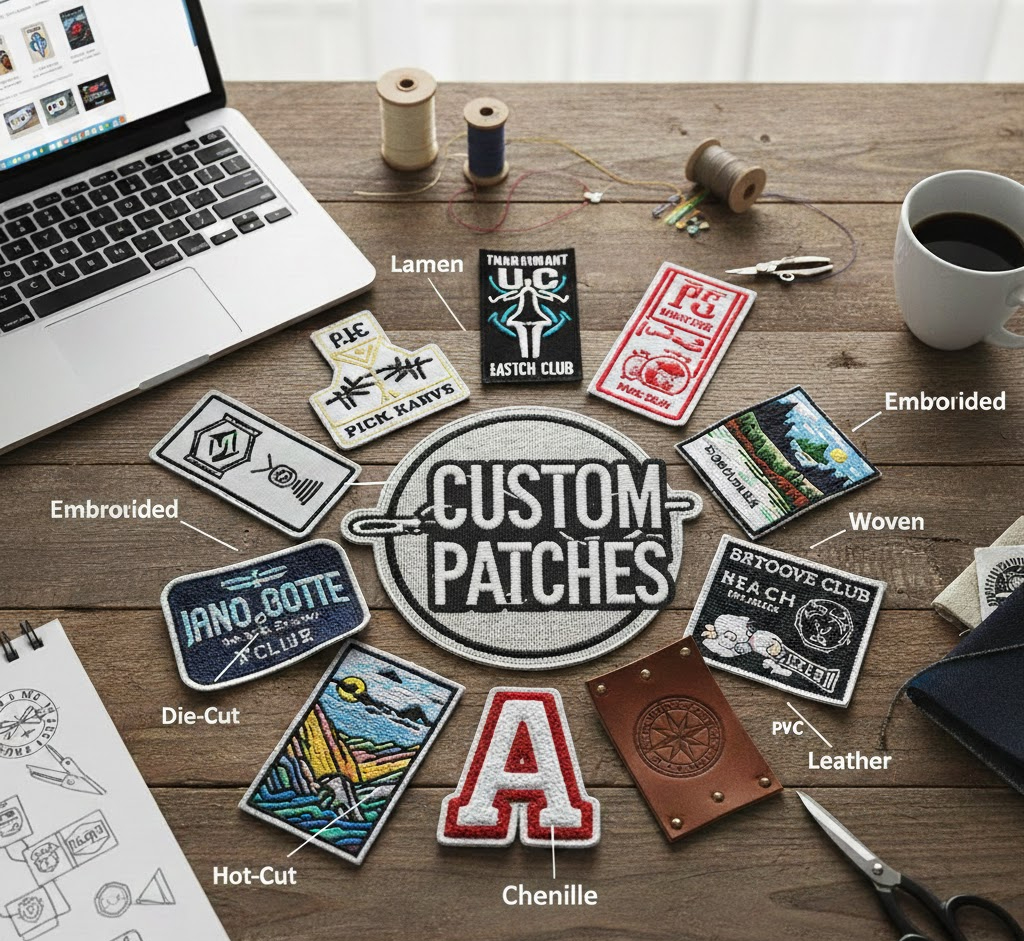
Custom patches come in many types, materials, and finishes. While design often gets the most attention, the type of patch you choose is just as important. Selecting the wrong patch type can affect how your patch looks, how long it lasts, and how well it performs.
At StitchKrafts, we help customers choose the right patch every day. In this guide, we explain the different types of custom patches, how they are made, and which options work best for different uses. Whether you need patches for branding, uniforms, fashion, or promotions, this article will help you make the right decision.
This guide is ideal for businesses, clubs, teams, fashion brands, and anyone new to ordering custom patches who wants professional results.
Why Understanding Custom Patch Types Matters
Each patch type uses different materials, production methods, and stitching techniques. These differences directly affect:
- Patch durability and lifespan
- Design clarity and colour accuracy
- Comfort on clothing and gear
- Cost and production time
Many problems occur when a patch design does not match the patch type. Understanding your options before ordering helps you avoid redesigns, delays, and unnecessary costs.
Embroidered Patches
Embroidered patches are the most traditional and widely used custom patch type. They are created by stitching embroidery thread onto a fabric backing.
How Embroidered Patches Are Made
The design is digitised and stitched using embroidery thread based on stitch density and thread direction. Thicker threads create a raised, textured appearance.
Best Uses
- Company uniforms
- Club and biker patches
- Sports teams
- Security and service badges
Key Benefits
- Strong and durable
- Classic, professional look
- Ideal for bold logos and symbols
Limitations
Fine details, small text, and thin lines may lose clarity due to thread thickness.
Woven Patches
Woven patches use thinner threads than embroidered patches, allowing for sharper details and smoother edges. The design is woven directly into the fabric rather than raised.
Best Uses
- Branding patches
- Logo badges with small text
- Fashion labels
Key Benefits
- High detail and readability
- Smooth, flat finish
- Better colour accuracy
Limitations
They do not offer the textured, raised look of embroidered patches.
PVC or Rubber Patches
PVC patches are made from soft, flexible plastic instead of thread or fabric. They are designed for durability and outdoor performance.
Best Uses
- Military and tactical patches
- Outdoor gear
- Workwear and bags
Key Benefits
- Waterproof and weather resistant
- Long lasting and flexible
- Easy to clean
Limitations
Not suitable for fabric-focused, vintage, or traditional designs.
Printed Patches
Printed patches use ink rather than stitching, with the design printed directly onto fabric.
Best Uses
- Full-colour artwork
- Gradient-heavy designs
- Promotional patches
Key Benefits
- Unlimited colour options
- Accurate image reproduction
- Cost effective for complex designs
Limitations
Printed patches may fade faster than embroidered or PVC patches with frequent washing.
Chenille Patches
Chenille patches feature a soft, fluffy texture and are commonly used in varsity and fashion styles.
Best Uses
- Letterman jackets
- Large lettering designs
- Fashion branding
Key Benefits
- Thick, raised texture
- Premium, classic appearance
- Highly visible designs
Limitations
Not suitable for small text or detailed artwork.
Leather Patches
Leather patches offer a clean and minimal look, often used for premium branding.
Best Uses
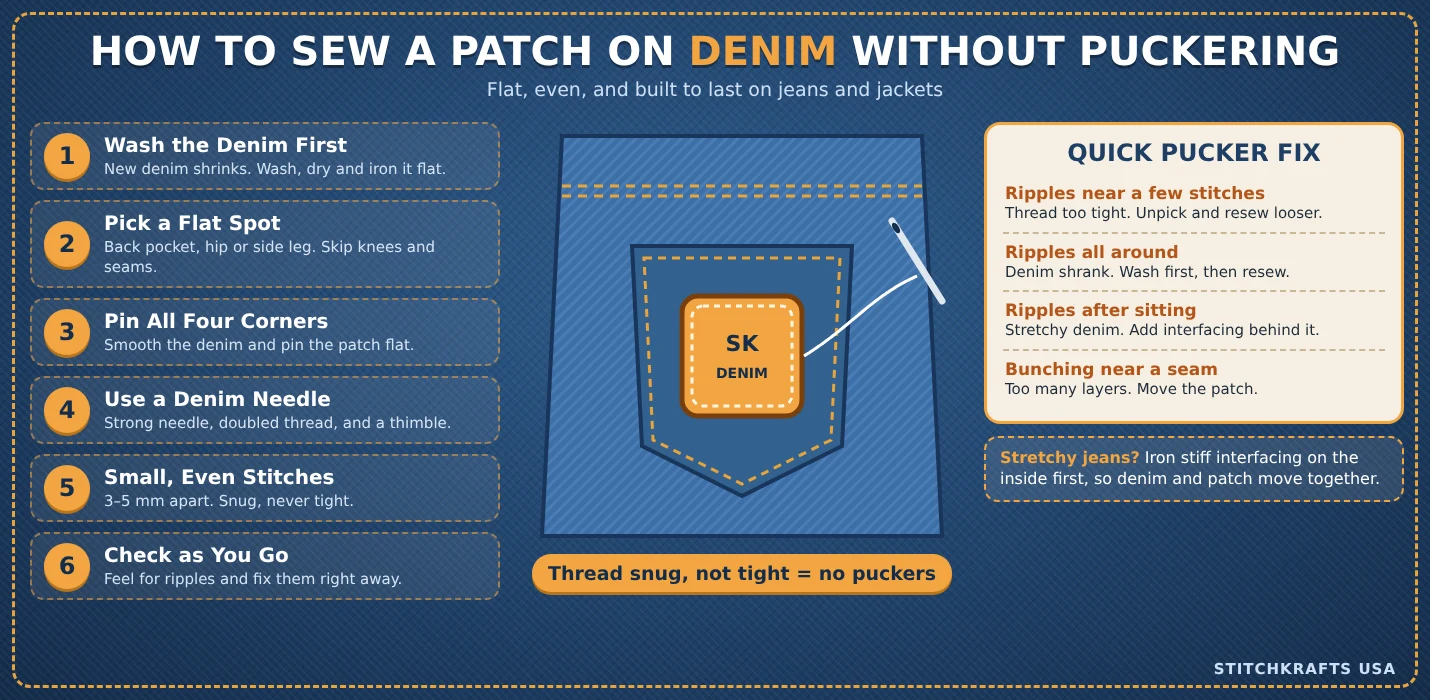
- Denim jeans and jackets
- Hats and caps
- Lifestyle brands
Key Benefits
- Elegant, natural appearance
- Long lasting material
- Ideal for debossed logos
Limitations
Usually limited to one colour with minimal detail.
Sublimated Patches
Sublimated patches use heat transfer printing, bonding ink directly into the fabric.
Best Uses
- Sportswear
- Lightweight garments
- Bright and detailed designs
Key Benefits
- Smooth surface
- Vibrant colour blending
- Lightweight feel
Limitations
They lack the texture of embroidered or chenille patches.
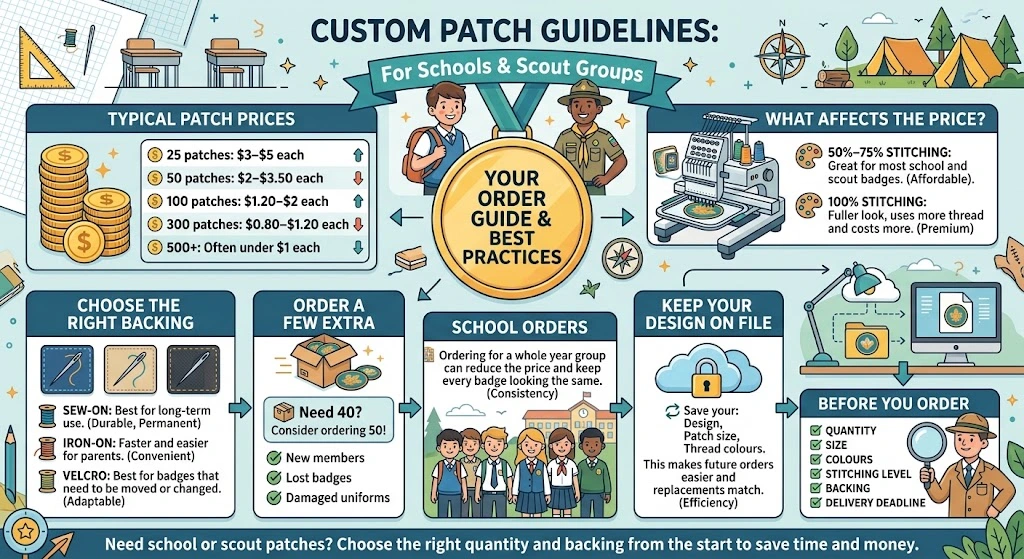
Patch Backing Types Explained
The backing determines how a patch is attached and how well it stays in place.
Sew-On Backing
The most durable option. Ideal for uniforms, jackets, and heavy use.
Iron-On Backing
Easy heat application. Best for casual clothing and fashion wear.
Velcro Backing
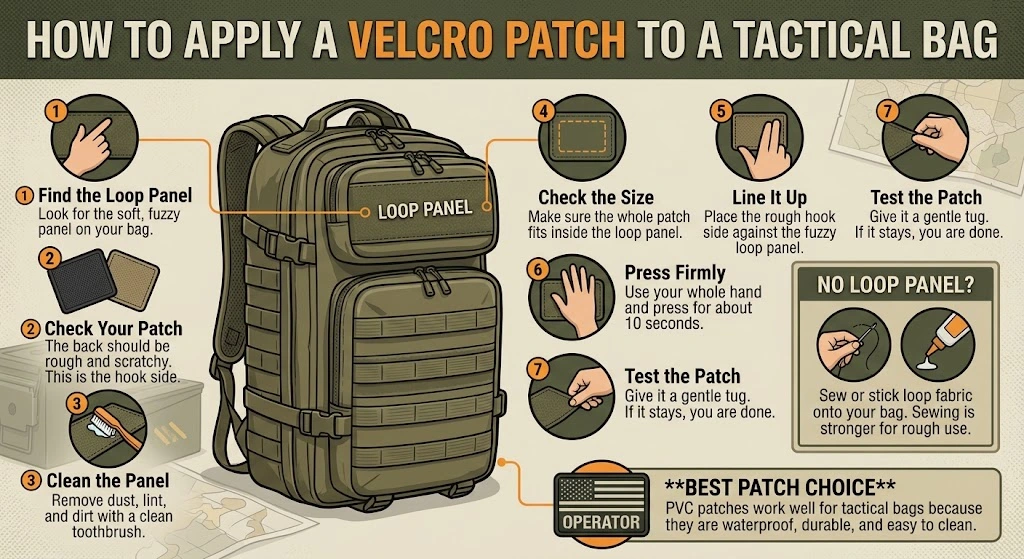
Removable and reusable. Popular for military, security, and workwear.
Adhesive Backing
Designed for temporary use. Suitable for events and giveaways.
For long-lasting results, choose a backing based on how often the patch will be worn or washed. Learn more in the Patch Care & Maintenance Guide.
Custom Patch Materials Explained
Understanding patch materials helps ensure better quality and longevity:
- Embroidery thread affects texture and stitch clarity
- Fabric backing impacts durability and comfort
- Stitch density controls detail and patch strength
- Colour accuracy depends on thread, ink, and material choice
Choosing the right materials directly affects how the patch looks and performs.
How to Choose the Right Custom Patch Type
Before ordering, ask yourself these questions:
- Where will the patch be used
- Will it be washed frequently
- Does the design include fine details
- Is durability or appearance more important
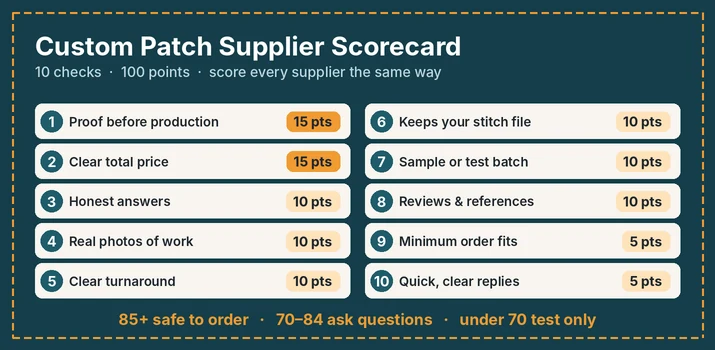
- What is the available budget
If cost is a concern, explore Cheap Custom Patches Without Compromising Quality for affordable options.
Custom Patch Manufacturing Process Overview
Most custom patches makers follow these steps:
- Logo digitising and artwork preparation
- Material and backing selection
- Stitching, weaving, or printing
- Cutting and border finishing
- Backing application
- Quality inspection
Knowing this process helps set realistic expectations and ensures better results.
Summary: Types of Custom Patches Explained
There is no single best patch type. The right custom patch depends on your design, purpose, and usage. Embroidered patches offer durability and a classic look, woven patches deliver fine detail, PVC patches provide maximum durability, and printed patches allow full-colour designs.
By understanding patch materials, backing options, stitch density, and durability, you can confidently choose the best patch for branding, uniforms, fashion, or promotions.
For more guidance, explore our professional patch solutions and design resources.
Frequently Asked Questions About Custom Patch Types
What are the main types of custom patches?
Embroidered, woven, PVC, printed, chenille, leather, and sublimated patches.
Which custom patch type is best for business branding?
Embroidered and woven patches work best for business uniforms and branding.
What is the most durable custom patch?
PVC patches offer the highest durability and weather resistance.
Are custom patches affordable for small businesses?
Yes, many cost-effective patch options are available without sacrificing quality.
Which patch type is best for detailed logos?
Woven and printed patches are ideal for fine details and small text.
How do I choose the right patch type?
Consider usage, design detail, durability needs, and budget.
Can custom patches be ordered online?
Yes, custom patches can be ordered online and shipped to the UK, US, Australia, and other regions.